DSCR Loan Guide for Property Investors
Personal Finance, Real Estate Investing
DSCR Loan Basics for Everyday Property Investors
Thinking about buying a rental property but worried your personal income won’t qualify you for a traditional mortgage? A DSCR loan might be the consumer‑friendly solution that focuses on the property’s cash flow, not your paycheck.
What Is a DSCR Loan?
DSCR stands for Debt Service Coverage Ratio. Instead of looking mainly at your job income, lenders use this ratio to see whether the property itself can comfortably cover the mortgage payment with its rental income. This makes DSCR loans especially attractive to individuals and consumers building small rental portfolios or buying their first investment property.
How the Ratio Works (In Simple Terms)
At its core, DSCR compares monthly rental income to monthly mortgage costs (principal, interest, taxes, and insurance). A DSCR of 1.0 means the property’s income just covers the payment. Many lenders want 1.1–1.25 or higher so there’s a cushion for vacancies and repairs.
Higher DSCR = safer for the lender, stronger for you.
Lower DSCR = tighter cash flow and more risk.
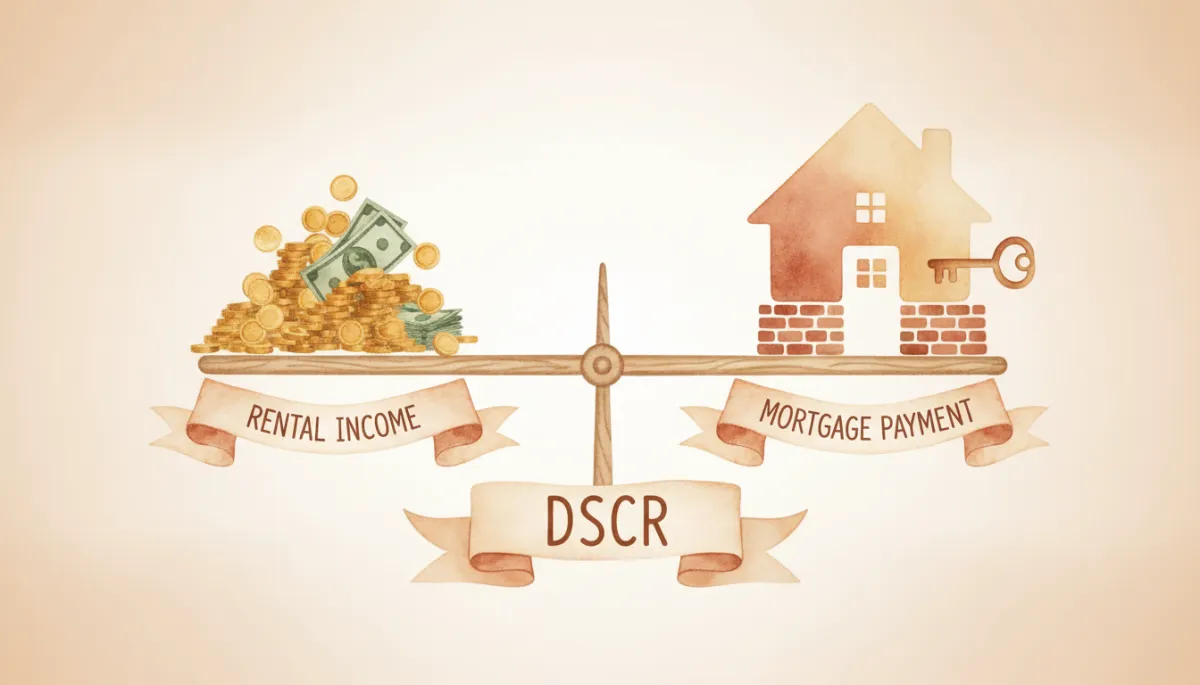
A stronger DSCR means your rental income comfortably covers the mortgage.
Is a DSCR Loan Right for You?
For individual consumers with solid savings and a promising rental property, DSCR loans can offer flexible approval, especially if your tax returns or self‑employment income are complicated. However, expect larger down payments, slightly higher interest rates, and strict property income‑documentation requirements. Before you commit, compare offers, run conservative cash‑flow numbers, and speak with a loan professional who regularly works with DSCR loans for small investors.
